Polypropylene: An Ideal Material for Sustainable Production
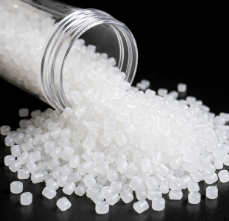
Did you know that many of the caps now attached to plastic bottles are made of polypropylene plastic? And that the bumpers of many cars are also made from the same material?
But don't worry: the aim of this article is not to spark a debate, but rather to highlight the role of polypropylene, or PP plastic, in the circular economy. After all, it deserves special attention, as it represents around 16% of the global plastics market, and its production continues to increase year after year, with estimates suggesting that it will exceed 100 million metric tonnes by 2030.
But if we have chosen polypropylene plastic as the protagonist of this article, it is because the most interesting part begins when you dispose of products made from it.
From that moment on, reuse and recycling work together to ensure that this versatile material can continue to be useful time and time again.
What Is Polypropylene Plastic and Why Is It Relevant?
Polypropylene is a thermoplastic polymer produced from propylene, a petrochemical by-product.
It stands out for its flexibility and lightweight properties, making it the lightest thermoplastic available on the market. This characteristic makes it an ideal type of plastic for applications where weight is a critical factor, such as the automotive industry. It is also resistant to high temperatures, making it suitable for industrial and domestic applications, including packaging, synthetic fibres and more.
Polypropylene can be classified into three main types according to its chemical composition:
- polypropylene homopolymer (PPH), the most common type;
- polypropylene random copolymer (PPR), used in plastic pipes for water supply; and
- polypropylene copolymer (PPC), which offers greater impact resistance.
So, what does it mean for polypropylene to be a thermoplastic? As we explained when discussing plastic recycling, it means that it can be melted and moulded multiple times.
You are beginning to see its close relationship with the circular economy, aren't you?

Polypropylene Can Be Recycled
As you already know, at Recircular we always like to explore the options that minimise waste and maximise reuse first.
Nevertheless, we are aware that polypropylene recycling is one of the main ways to give this material a new lease of life. The problem is that the global post-consumer recycling rate for PP is around 1%. This means that large quantities of polypropylene end up in the sea or in landfills, where they can take up to 30 years to degrade. Even more concerning, exposure to UV radiation from sunlight reduces its potential for mechanical recycling.
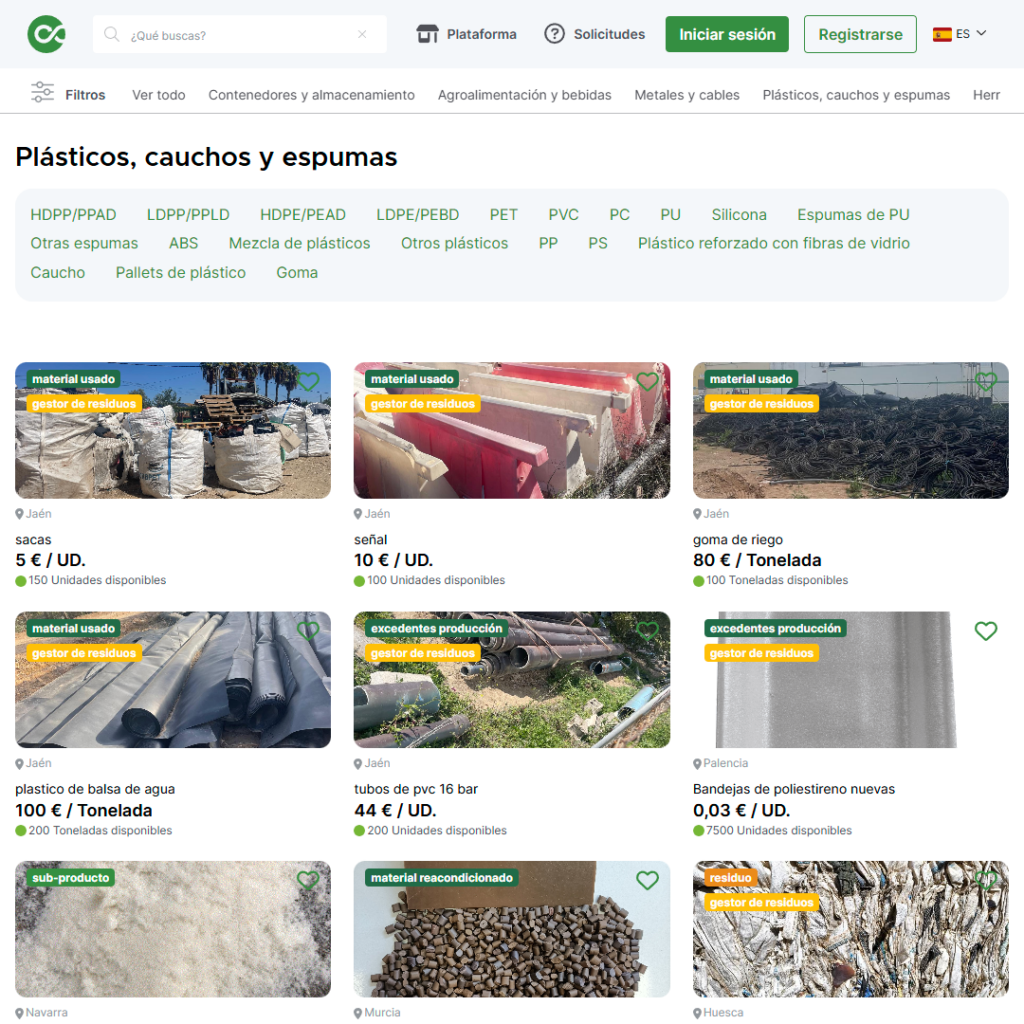
Valorisation platform from recircular, where you can find polypropylene among other plastics.
Today, advanced methods such as pyrolysis and gasification can transform plastic waste into useful chemicals or energy when reduction, reuse and recycling are not viable options, significantly reducing its carbon footprint. In this way, polypropylene can be used in applications such as packaging, construction, the textile industry and the aforementioned automotive sector.
“Recycling polypropylene reduces energy and raw material consumption compared with producing new PP, which requires oil and propane gas. Today, around 8% of global oil is used to manufacture plastics. In addition, producing recycled plastic consumes 88% less energy than manufacturing new plastic, making PP recycling an option with a significant positive impact.” Business Waste
Benefits of Polypropylene Recycling for Businesses and the Environment
Using recycled polypropylene offers numerous benefits for both the environment and businesses. For example, some studies using life cycle assessment (LCA) have shown that using recycled PP fibres can reduce greenhouse gas emissions by 50% compared with virgin materials. In addition, water consumption and fossil fuel use can be reduced by 99% and 91%, respectively.
“Recycling one tonne of plastic can save 5,774 kWh of energy, almost 16 barrels of oil and 23 cubic metres of landfill space.” U.S. National Park Service
But there are even more benefits:
- It drives innovation through areas such as research into new packaging solutions, while also creating new business opportunities.
- It improves corporate reputation by strengthening companies' commitment to sustainability.
What Challenges and Opportunities Does Polypropylene Recycling Face?
As with many other waste recovery processes, recycling is not as straightforward as the previous sections might suggest.
The presence of impurities affects the thermal and mechanical properties of recycled PP, making it more difficult to use in critical applications. This highlights the importance of segregating different materials, ideally at source. Likewise, the lack of suitable infrastructure makes the process more difficult, particularly in regions where recycling policies are still developing.
However, initiatives such as the New Plastics Economy, promoted by the Ellen MacArthur Foundation, and the growth of circular economy practices, such as those facilitated by Recircular, are helping address these challenges by eliminating problematic plastics, developing new reuse solutions and promoting the design of products that are fully recyclable.
Long Live Polypropylene
Polypropylene plastic is a common material in modern society, but its true potential lies in its ability to become part of a circular economy.
Investing in PP recycling not only benefits the environment but also offers economic and competitive advantages for businesses.
Are you ready to join the change? Get in touch with us and discover how your company can make the most of polypropylene while contributing to a more sustainable world.
