Seven Sustainable Uses of Wood Shavings That Will Surprise You
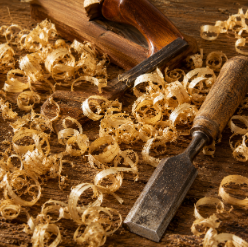
Did you know that wood shavings can contribute to a more sustainable future?
For a long time, wood shavings were mainly used as fuel for wood-burning stoves or the old cookers and fireplaces found in homes.
Today, however, this by-product of sawing, woodworking and wood shredding has become a valuable resource within the circular economy.
These humble wood shavings, known as chirloras or txirloras in some parts of the Basque Country, are transforming industries in surprising ways.
Join us and discover how.
The Seven Lives of Wood Shavings
They say cats have seven lives. Well, believe us: wood shavings are not far behind.
Far from being simply a waste product, this by-product of the timber industry is gaining importance in sectors as diverse as construction, agriculture and even gastronomy.
Would you like to discover the uses of wood shavings that are changing the way we see them and turning them into a great example of the circular economy?
Wood Shavings for Packaging: Sustainable Protection Without Plastics
Thanks to their shock-absorbing properties, wood shavings are an ideal solution for protecting fragile goods during transportation.
In addition to being lightweight and biodegradable, they can also be reused several times, making them an eco-friendly alternative to synthetic materials such as polystyrene or bubble wrap. They are particularly useful when shipping perishable products such as live seafood, as wood shavings help retain moisture and preserve product freshness. Similarly, they are used when packaging fruit and vegetables, where their absorption and thermal insulation properties help maintain optimal conditions during transportation.
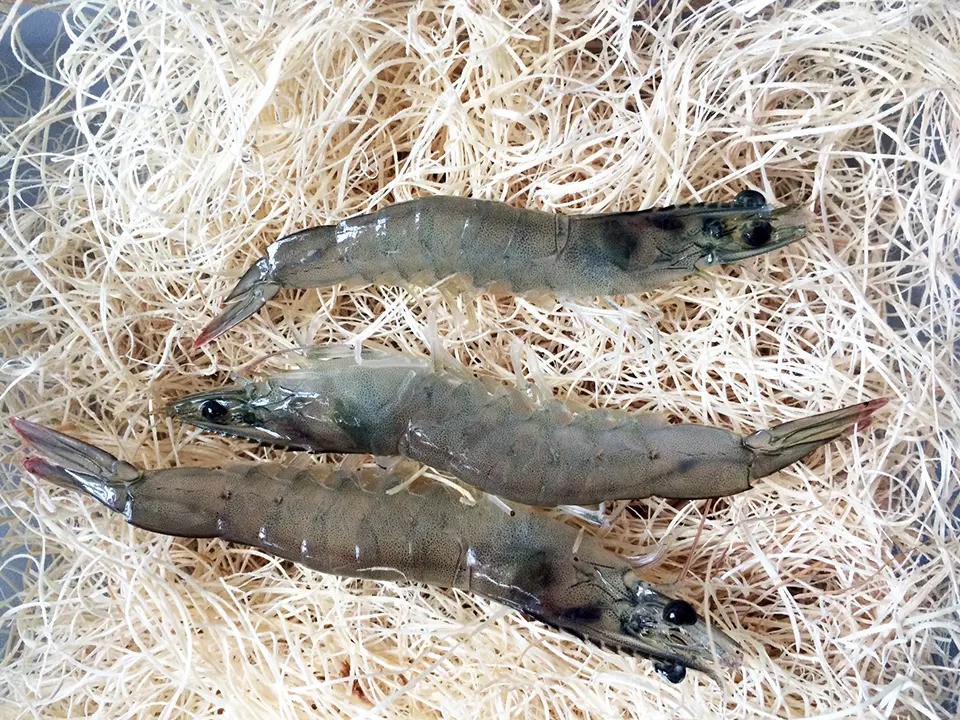
Under suitable temperature and humidity conditions, live shrimp can be shipped on a bed of damp wood shavings rather than in water. Source: Global Seafood Alliance, 2015
Wood Shavings as Bedding for Horses, Rabbits and Other Animals
One of the main uses of wood shavings is as animal bedding.
Their absorbent and insulating properties make them a highly valued resource in stables, providing comfort for horses. Compared with sawdust, wood shavings are more durable and produce less dust, which can contribute to better respiratory health for animals.

Source: Image generated with AI using DALL·E (OpenAI, 2025).
Wood Shavings in Kitchens and Wineries
It may come as a surprise, but wood shavings are also being used in areas as different as cooking and winemaking.
In gastronomy, wood shavings play an important role in the food-smoking process. Oak, cherry and mesquite wood add aroma when used over hot coals. It is important to choose untreated wood shavings to ensure food safety.
In winemaking, meanwhile, wood chips can simulate the ageing process in barrels, adding different notes at a lower cost and with greater control over the process. This technique is supported by oenological studies, has been approved in the EU since 2006 and is used by wineries with medium and high production volumes.

Wood Shavings for Thermal and Acoustic Insulation
Wood shavings are an excellent thermal and acoustic insulation material.
They can be combined with materials such as lime, plaster or cement to manufacture fire-resistant panels and ceilings, providing an eco-friendly and easy-to-install alternative to traditional synthetic insulation materials.
Decoration and Gardening: Uses of Wood Shavings That Beautify and Protect
Wood shavings are also used in gardening as a mulching material or ground cover. This use is not merely decorative: it also helps retain soil moisture and prevent weed growth.
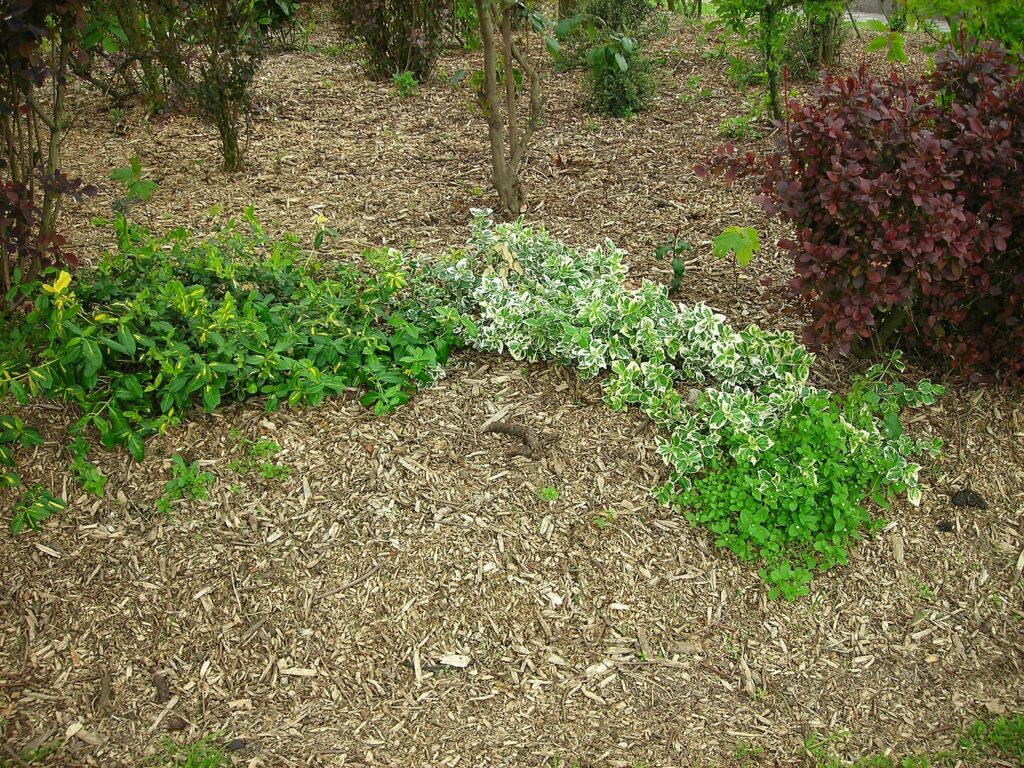
Mulch made from pruning waste in a public garden in Normandy. Source: Jmalo – Own work, CC BY-SA 4.0
Natural Absorbent for Compost and Adsorbent for Industrial Spills
Wood shavings are also used in composting. Adding them absorbs excess moisture, preventing the compost from becoming too wet or muddy.
Similarly, like cork, wood shavings can also be used for containing accidental spills thanks to their adsorption capacity. Pine shavings, for example, have been successfully tested in laboratory conditions for oil spill control.
Wood Shavings for Board Manufacturing and Energy Generation
To round off this selection of applications, we cannot overlook the use of wood shavings in the manufacturing of reconstituted wood boards and particleboard.
Wood shavings, together with sawdust and wood chips, form the basis of these products, which are widely used in furniture, construction and carpentry.
And, as mentioned in the introduction, another important use of this by-product is combustion as biomass fuel.
Environmental and Economic Benefits of Using Wood Shavings
As you can see, wood shavings have numerous uses, some of them genuinely surprising.
At recircular, however, we want to highlight not only these potential applications but also the environmental and economic benefits of using them. Some of the main advantages include:
- Reducing waste generated by sawmills, carpentry workshops and forestry industries.
- Recovering used wood from factory dismantling projects, railway sleepers and other sources.
- Reducing the use of plastic and synthetic materials, minimizing the generation of waste that is more difficult to reuse or recycle.
- Easy local availability, as this resource can often be sourced locally, shortening supply chains and reducing emissions.
- Reducing dependence on fossil fuels by using wood shavings as biomass fuel.
- Creating employment through business models that promote sustainability.
- Complying with environmental regulations related to waste reduction and the strengthening of circularity.
Where Can You Buy or Sell Wood Shavings?
If, based on any of the applications mentioned above, you need a very specific type of wood shavings, online retailers may be your best option.
However, we strongly recommend checking out our resource recovery platform, where we have a category for wood and wood-derived materials where you can also find wood shavings or wood that can be shredded.
When Small Things Matter
We could safely say that the uses of wood shavings are almost endless.
Few resources provide as much value as this modest forestry by-product. From winemaking to construction, animal care and gardening, its applications are as varied as they are sustainable. By reusing wood shavings, we also help close production loops, reduce waste and minimize dependence on synthetic materials and non-renewable energy sources.
However, unlocking their full potential requires us to change the way we look at waste. Every resource has a second life; we simply need to find a way to give it a new purpose. And that is where the true revolution of the circular economy lies.
