New waste collection channels for waste management companies: opportunities and strategies
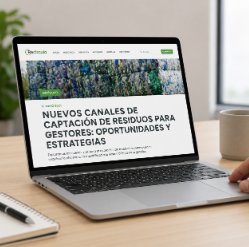
Innovation has also reached the world of waste. Waste collection channels for waste managers now also incorporate digital platforms, industrial symbiosis initiatives and new technologies that are transforming the sector.
This transformation does not represent a threat to waste managers. Quite the contrary: it is an opportunity to grow and differentiate themselves.
Because when waste is seen as a valuable resource, everything changes: customer relationships, margins and the business model.
Why waste sorting opens or closes doors
Before exploring waste collection channels for waste managers, it is important to note that knowing how to sort waste makes the difference between capturing valuable resources or letting them pass you by.
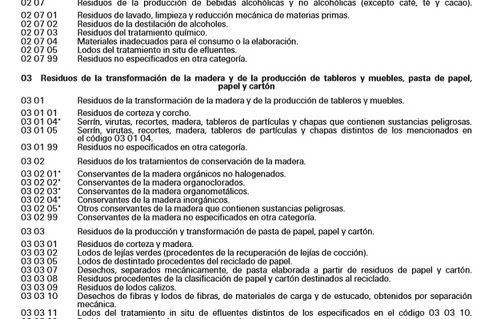
In this context, the EWC (European Waste Catalogue) codes are the passport to pay attention to. They determine what you can legally collect according to your environmental permits. And understanding whether a material is waste, a by-product or has reached the end of its waste status (as set out in Law 7/2022) opens up new opportunities.
A by-product, for example, can be traded directly between companies in authorised sectors without the administrative burdens of waste. The difference between collecting clean scrap metal (non-hazardous LER code) or used industrial oils (asterisk code) is not just a matter of paperwork: it affects your logistics, your rates and your business opportunities.
Knowing these codes makes you a strategic manager and allows you to identify resources that others overlook.
Waste collection channels for waste managers or where to find new resources
As we mentioned earlier, waste collection methods have evolved from traditional contracts to more advanced formulas such as the recircular recovery platform.
If you are a waste manager looking for new sources of resources, our advice is to diversify and combine traditional channels with digital and collaborative tools to maximise your possibilities.

Traditional channels, a pillar that continues to function
Long-standing agreements concluded via contract or public tender continue to be fundamental.
Their main advantage is stability and access to the management of large volumes of waste. In some cases, however, administrative and solvency barriers exclude some SMEs.
Alliances and industrial symbiosis, in search of synergies
Industrial symbiosis allows a company's waste or by-products to be used as a resource in another company located, for example, within the same industrial estate.
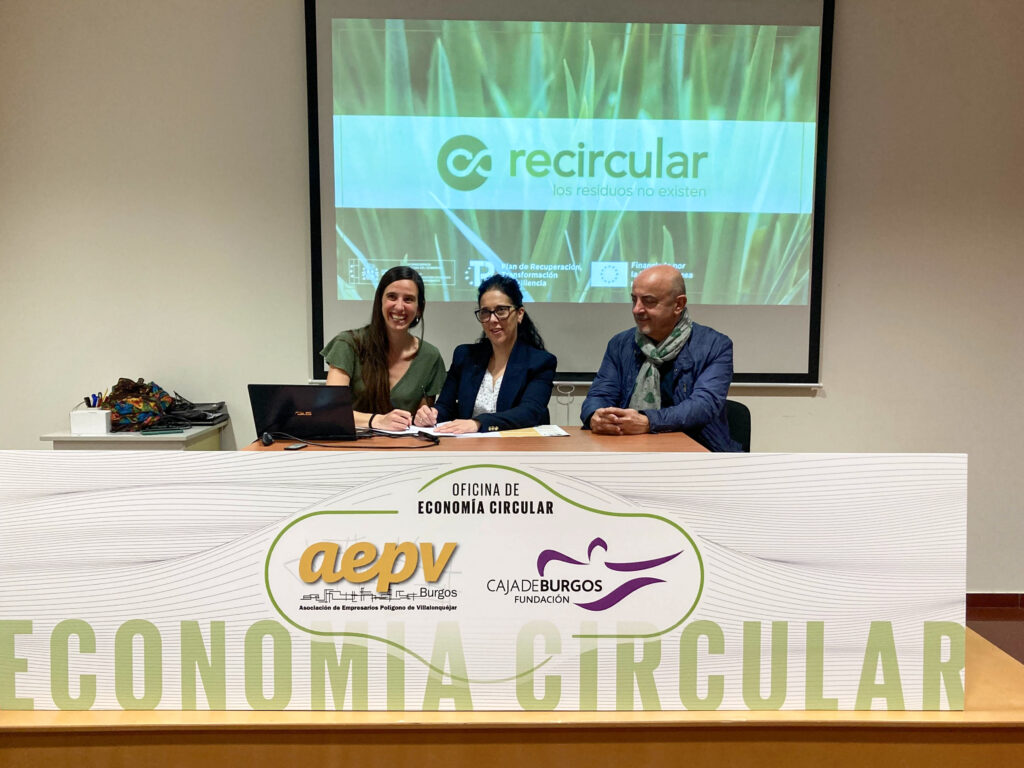
At recircular, we have promoted experiences in industrial estates such as Villalonquéjar (Burgos), but there are also other European initiatives and pilot projects such as Hubs4Circularity.
For managers, this option opens up a more strategic role by facilitating exchanges of value.
Digital platforms, a radar for hidden opportunities
Digital platforms have opened up powerful new channels for managers, allowing them to identify waste that was not previously available on the market or connect with companies looking to dispose of their materials, beyond the companies they usually deal with.
One example is our platform for buying and selling industrial waste and used materials, which connects companies that generate waste with others that can reuse or recycle it.
But there are also other initiatives that promote resource recovery and platforms for waste traceability management, such as Teixo, with which we collaborate at recircular.
These digital environments democratise the circular economy, identify reuse options and improve customer loyalty.
What slows down and what drives collection
The expansion of waste collection channels for managers sometimes entails barriers. But it also offers opportunities to be discovered.
- Regulations: regulations continue to affect the activity of managers operating in several communities or countries. The lack of uniformity in some processes and the different documentation also do not make things easier. But digitisation and electronic records are advancing and beginning to simplify this maze.
- Resource economics: the viability of many types of waste depends on volatile markets. When prices for recycled materials fall, certain waste streams cease to be profitable. However, extended producer responsibility schemes are helping to stabilise some markets and create more predictable collection channels.
- Limited knowledge: much waste never reaches waste managers because companies do not know that it has value or do not separate it correctly. At Recircular, we support companies and waste managers by providing them with clear information, helping them to make decisions and raising the profile of materials that previously went unnoticed.
- Technology: the lack of common standards for sharing data between companies, managers and administrations remains an obstacle, along with incomplete or inconsistent data. However, matching algorithms that detect synergies and predictive waste generation models are opening up new opportunities.
A sector with room for growth if we change our perspective
Managers are faced with a scenario full of possibilities. Good classification, more diverse channels and digital tools provide access to materials that previously did not appear on the radar.
The challenges remain, yes. But new tools and collaboration models are helping to reduce costs and meet environmental targets.
Platforms such as recircular, which help you expand the scope of your activity, find new materials to manage and digitise the entire collection and recovery process, are already demonstrating that many types of waste hide value if the right players are connected.
The challenge now is simple: look at these flows with fresh eyes and explore new ways for these materials to find a use before they become a problem.
Join recircular!
