How to plan an industrial inventory to identify surpluses and reduce waste
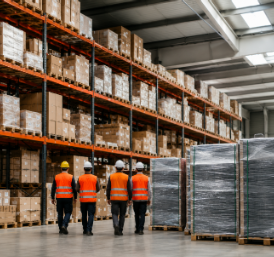
An industrial inventory at the end of the financial year is not only an obligation, but also an opportunity to uncover hidden value in your warehouse or company.
That pallet of unused components, the machine that was set aside when the equipment was upgraded, the packaging that accumulates because ‘we'll need it someday’… can be turned into income, savings and less waste, laying the foundations for a more efficient, profitable and sustainable model.
One that identifies what is surplus, why it is surplus and, above all, what to do with it before it ends up in a landfill.
What is a circular industrial inventory?
A circular inventory goes beyond traditional counting. It is not limited to recording quantities, but analyses each material from the perspective of the circular economy.
The difference lies in the approach. While a classic inventory seeks to adjust stock levels, a circular inventory pursues three objectives:
- Prevent waste: detect surpluses before they become waste.
- Extend useful life: identify materials, equipment or components that can remain in circulation.
- Activate industrial symbiosis: connect what is surplus in one company with what is lacking in another.
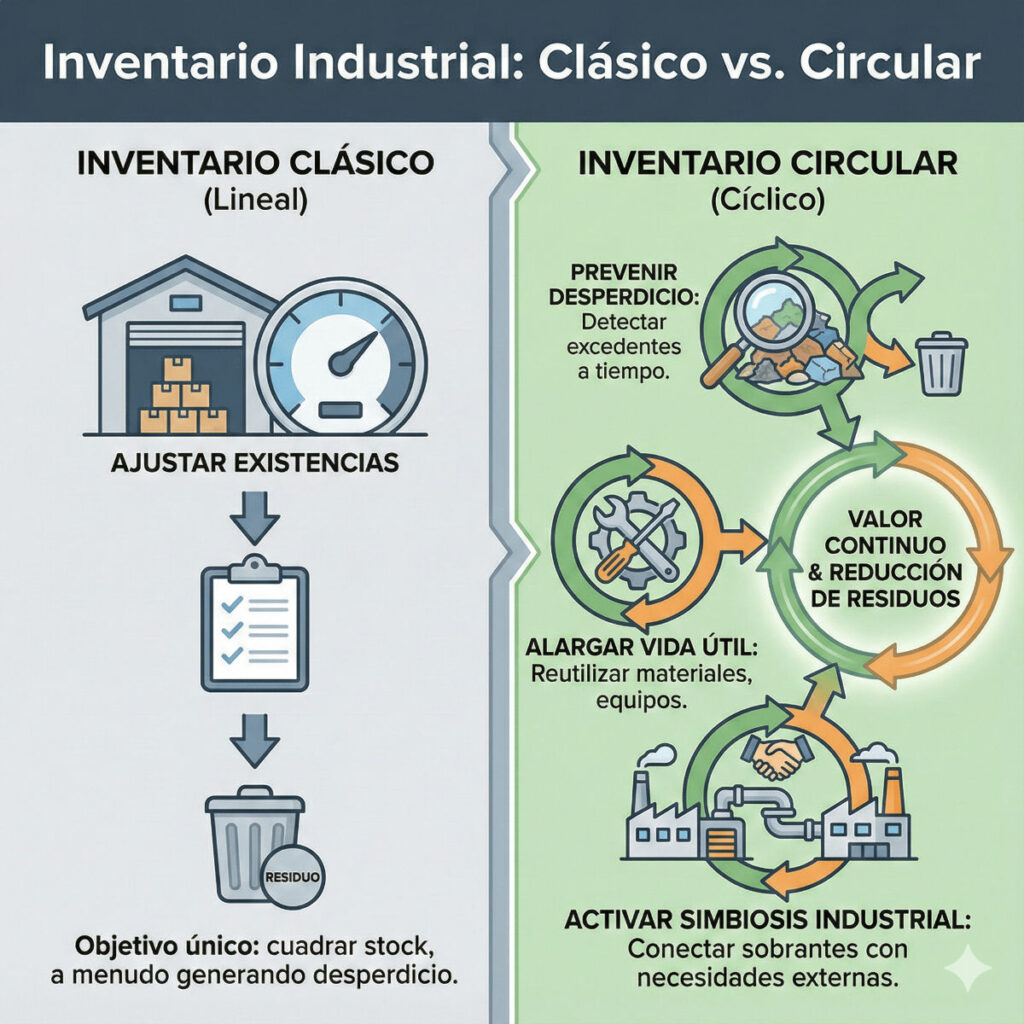
It applies to almost anything: unused raw materials, offline equipment, reusable packaging, stored production surpluses, etc. Circular inventory turns the warehouse into an active node of value, not a graveyard of forgotten material.
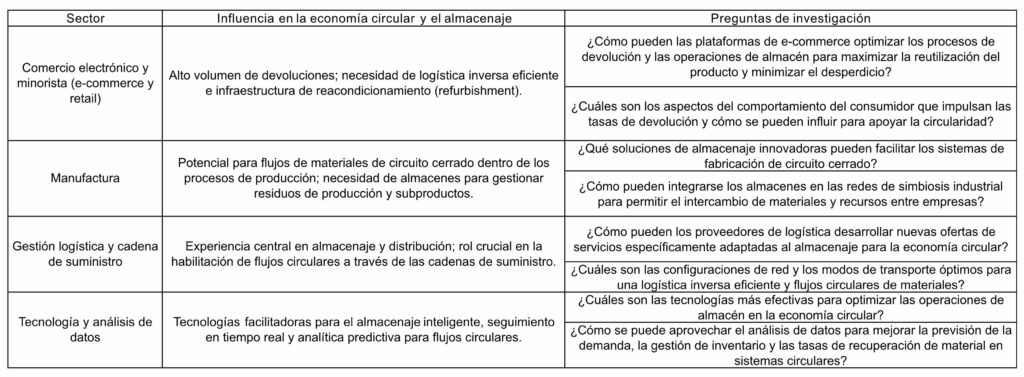
Source: Sustainability Directory CC BY 4.0.

Action plan: how to make it work
Before putting it into practice, it is advisable to translate this circular vision into concrete steps.
Therefore, the following action plan brings together the keys to transforming inventory into a tool capable of detecting, classifying and mobilising surpluses judiciously.
Analyse inventory strategically
The first step is to know what you have and its potential value.
This is where tools such as ABC/XYZ analysis come in, segmenting stock according to turnover and criticality. Type C (low turnover) and Z (erratic demand) materials are the first candidates for review.
But there is another layer of analysis that many companies are overlooking: data mining to detect forgotten, underutilised or miscatalogued assets, identifying that hidden value that lies in the warehouse.
Evaluate and classify surpluses
Once identified, check their condition, functionality and potential output. Or, if you prefer, hire our service to help you with this task.
However, here is a basic classification that you could carry out:
- Internal reuse, for another line, plant or project.
- B2B sale, if it has value on the secondary market.
- Donation, to social or educational organisations.
- Recycling, as a last resort, for the recovery of raw materials.
Document everything: technical specifications, photos, batch, age, condition... The more information you have, the easier it will be to dispose of the material.
Record, trace and activate recovery
Traceability is key to complying with regulations and demonstrating impact.
An up-to-date ERP or Warehouse Management System (WMS) can do much of the work.
But if you want to go one step further, our recovery platform also offers digital traceability, environmental footprint calculation and connection with buyers.
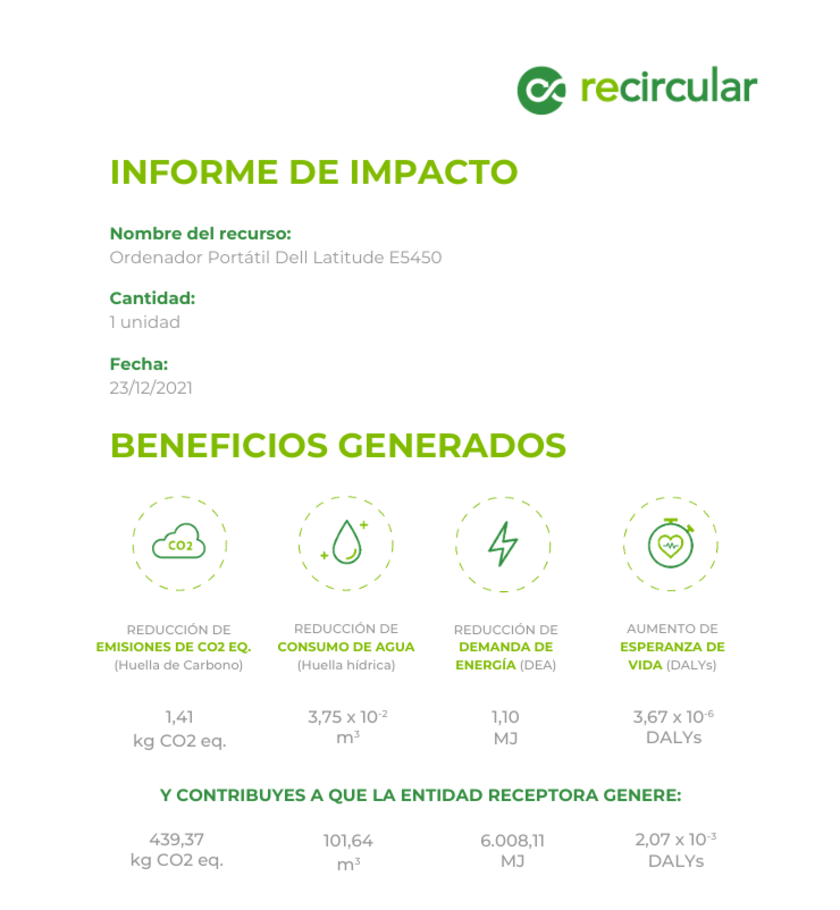
Source: Impact measurement provided by the recircular platform
Real benefits for the warehouse
This approach is not only good for the planet. It is also good for the bottom line.
Operationally, you free up space, reduce dead stock and streamline logistics flows. A warehouse without dead stock is a more efficient warehouse.
Economically, you generate sales revenue, avoid unnecessary purchases (by reusing what you already have) and reduce waste management costs.
Environmentally, you reduce emissions, comply with increasingly stringent regulations and strengthen your ESG profile.
From inventory to impact
Year-end inventory can be a mere formality or an opportunity to identify hidden value, activate circular flows and convert logistical liabilities into economic and environmental assets.
Your warehouse is worth more than you think.
You just need to know where to look.
