Digitalization in waste management, turning data into efficiency
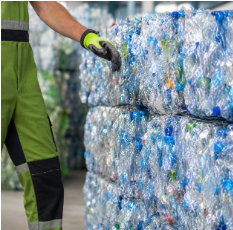
Waste management has become a complex puzzle of data, documents, and regulatory obligations that leaves no room for error.
In this context, digital waste management platforms have gone from being a technological promise to becoming the operational heart of many companies in the sector. They are the nervous system that connects all areas of the business, from waste intake to the final report for the client or administration. A good platform not only automates tasks; it translates operational chaos into clear decisions, ensures legal compliance, and offers the traceability that the circular economy demands.
For waste managers, this translates into doing more with less effort, less paperwork, and greater control. Because digital platforms don't replace the manager's experience; they amplify it, freeing up time, reducing errors, and transforming data into strategy.
What are digital waste management platforms?
Digital waste management platforms are systems that centralize the entire operational cycle, from reception and recovery to documentation and reporting, in a single environment.
Their objective is to ensure data consistency, traceability, and regulatory compliance.
These modular solutions integrate operational, commercial, and administrative processes into a continuous digital workflow, reducing errors and response times.

General-purpose solutions vs. specialized platforms
General-purpose software can handle accounting or sales tasks, but it doesn't translate the technical and legal complexity of waste management. In contrast, specialized platforms are designed according to the actual processes of the sector and current regulations, avoiding custom development and ensuring regulatory compliance.
Examples like Teixo, integrated into the recircular recovery platform, demonstrate this difference: they incorporate the waste management hierarchy, EWC coding, document traceability, and the communication models required by the relevant authorities. A digital platform is not just a management program, but a technological infrastructure designed so that every piece of data generated by the company is verifiable, shareable, and useful for decision-making.

Benefits of Digitalization in Waste Management
Digital platforms have evolved from administrative support to the operational backbone of many plants and waste management companies. Their impact is measured in efficiency, data reliability, and regulatory compliance.
Some of their main benefits include:
- Centralization and control, unifying all information in a single environment.
- Document automation, automatically generating delivery notes, contracts, and management reports from operational data. This reduces errors and frees up administrative time.
- Regulatory compliance, ensuring consistency with European Waste Catalogues (EWCs) and R (recovery) and D (disposal) operations. The system enables continuous monitoring, minimizing risks during audits.
- Data-driven decision-making, offering real-time indicators of costs, efficiency, and recovery.
- Usability and operability, thanks to intuitive interfaces and apps that facilitate daily tasks, from data entry to movement validation and customer communication.
In summary, digital platforms bring efficiency, traceability, and compliance toutomático, convirtiendo la gestión de residuos en un proceso controlado y auditable de principio a fin.
Trends in the Digitalization of Waste Management
The evolution of digital waste management platforms points toward a more connected, analytical, and predictive environment. Three main lines of development can be identified:
- Full integration: connection with accounting systems, customer portals, and administrative platforms to maintain a single, traceable flow of information.
- Advanced analytics and artificial intelligence: platforms are incorporating algorithms capable of identifying patterns in operational data and anticipating recovery opportunities or management issues. In this regard, the integration of AI into the recircular recovery platform demonstrates how the application of this technology accelerates circularity by proactively detecting new connections between material flows and user companies.
- Automated compliance and transparency: regulatory validations become preventative, and systems share traceability with clients or authorities without duplicating reports.
Overall, the sector is moving towards more interoperable, predictive, and collaborative platforms, where artificial intelligence is no longer just a technological promise but a practical tool that multiplies the value of digitalization.

How does Recircular support waste management companies in their digital transformation?
recircular allows waste management companies to identify waste from new sources—that is, from companies they don't currently work with but that could become clients. The platform acts, in a way, as a new digital channel for acquiring waste and clients.
Digitizing waste purchasing and providing complete traceability throughout the entire recovery process is a clear advantage for waste management companies, as it simplifies the entire process and documentation, integrating it all into a single platform:
- Our user companies publish the waste they have available, whether generated regularly or occasionally.
- Our AI algorithm identifies waste management companies that may be interested in this waste and automatically notifies them of its availability.
- Waste management companies can identify waste from companies they don't already work with, thus expanding their reach and client base.
- Through our collaboration with Teixo, the platform allows users to complete all documentation related to waste management, including treatment contracts, waste identification documents, and even notifications to the relevant authorities.
- Users can also acquire second-hand materials for their facilities or sell other waste or surplus materials, semi-new materials, or used products and equipment they have available.
- The entire process is digitized on the platform, which can integrate waste transporters or other reprocessors to ensure complete traceability of the recovery process.
- Furthermore, evidence and geolocation data can be uploaded for each step, and all recovery information can be recorded on the blockchain, if desired.
Digitalization in waste management: platforms that turn data into real solutions
Digital platforms have demonstrated that centralizing information, automating processes, and ensuring regulatory compliance redefines companies' ability to adapt and grow in an increasingly demanding environment.
At Recircular, we connect waste-generating companies with interested waste management companies, facilitating new collaboration opportunities. Our platform digitizes the entire process of purchasing, managing, and tracing waste, including official documentation and notifications, making it more agile, transparent, and sustainable.
The future of the sector lies in organizations capable of transforming data into decisions, decisions into transparency, and transparency into value. Platforms are evolving toward more predictive and intelligent systems, where the integration of artificial intelligence is beginning to multiply the potential for circularity and resource utilization. Ultimately, those who embrace this transition will not be the only ones who benefit.olo ganarán tiempo o control, sino algo más difícil de conseguir: resiliencia operativa y liderazgo sostenible.
