A Practical Guide to Effective Circular Waste Management Without Disrupting Business Operations

Managing waste without affecting a company's day-to-day operations is, in many cases, still perceived as a burden that requires additional effort and work.
But this view is gradually changing.
More and more organizations are discovering that well-structured waste management integrated into their daily operations minimizes environmental impact, improves day-to-day operations, reduces costs and creates new opportunities within the circular economy. To achieve this, however, it is necessary to move away from the idea of simply "throwing away what is left over" and adopt a more strategic mindset: analyzing what is generated, when it is generated, in what quantities and what potential it has for reuse or recovery.
That is why, in this article, we are presenting a clear and practical roadmap to help you move towards more responsible, efficient waste management aligned with the principles of circularity.
A journey that starts by understanding what is generated and how to turn it into a resource with the help of startups such as recircular.
How to Manage Waste Without Disrupting Business Operations
Starting to see waste as a valuable resource does not require you to interrupt your company's daily operations or add an extra workload.
It simply requires implementing a series of steps or stages that define a management system capable not only of lasting over time, but also of evolving and generating value.

Waste Identification and Classification
The first step towards implementing effective circular waste management in your company's day-to-day operations is understanding what is generated, how it is generated, where it is generated and in what quantities.
Proper waste characterization makes it possible to distinguish between what is actually waste and what can be reused, reintroduced into production processes or recovered. The best way to carry out this identification is by creating an inventory of waste streams, including information such as:
- Types of waste: organic waste, plastics, paper and cardboard, metals, textiles, electronic waste, hazardous waste, inert waste, etc.
- Source: department, production line or specific activity where the waste is generated.
- Volume and frequency: how much waste is generated and how often.
- Current destination: whether it is stored, transferred to an authorized waste management company, disposed of or partially reused.
Strategies to Reduce Waste Generation
Once the types and sources of waste have been identified, the next logical step is to act at the source: preventing that waste from being generated in the first place. Waste prevention is the first and most effective strategy within the circular economy hierarchy. And the good news is that it does not always require major investments; small changes can often make a difference.

Inverted waste hierarchy pyramid.
Source: Is it possible to live in a zero-waste city?, Eroski Consumer, 2024.
In offices, this could mean eliminating unnecessary paper printing. In manufacturing, it could involve identifying inefficiencies or production losses that help reduce waste and costs.
It is also important to assess which materials can be reintroduced into the production process or used by other companies.
The key is to base these decisions on data. With a good initial analysis, each company can identify the "hotspots" where action can have the greatest impact. Often, small improvements can generate significant results, making it possible to manage waste without disrupting business operations.
Source Separation and Selective Collection
Measures aimed at reducing waste volumes do not eliminate waste generation completely.
The next step in the roadmap is therefore to separate waste at the point where it is generated, making it easier to recycle or reuse. The key is to make the process simple, with clearly identified containers, colors, easy-to-understand pictograms and locations where they are actually needed.
Establishing simple collection protocols and ensuring that everyone involved knows how to act helps prevent mistakes and cross-contamination.
Effective source separation is the foundation of any circular waste management system.
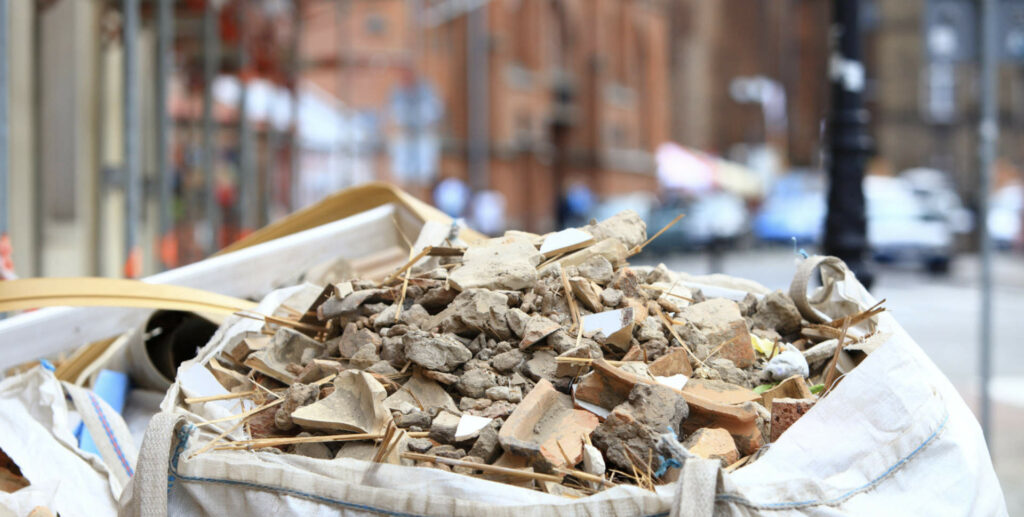
Source: Getty Images/Canva, 2025.
Recycling and Reuse Programs
The next step in our journey towards managing waste without disrupting business operations is to clearly define what happens to each resource and where it is sent.
In addition to recycling, which is common for materials such as paper and cardboard, it is important to explore reuse opportunities. Items such as boxes and pallets, used industrial equipment, or waste and by-products resulting from production processes can have a second life thanks to platforms such as recircular, which facilitate the recovery and traceability of these resources.

Source: recircular's recovery platform. June 2025.
At this stage, we should also consider initiatives related to industrial symbiosis, as our production surplus could, for example, be used by another company located in the same industrial park.
Training and Awareness
Training and awareness should, of course, be a constant throughout the entire process. Planning for this need will help employees and even suppliers understand and correctly apply the strategy.
One of the most effective ways to share this knowledge is through short, practical and regular sessions explaining what to do with each type of waste and why it matters. When everyone understands their role, waste management stops being an isolated task and becomes a natural part of everyday work.
Planning and Monitoring: The Key to Making Daily Waste Management a Sustainable and Profitable Process
Efficient waste management is not a one-off process. It is an ongoing commitment that requires strategic planning, continuous monitoring and adjustments based on real data. Without a structured plan, even the best practices can become ineffective over time.
Having an annual waste management plan helps ensure that actions do not lose momentum over time. This plan should include specific objectives, such as reducing the amount of waste generated by a certain percentage or increasing reuse and recycling rates, while defining responsibilities, resources and deadlines. Using KPIs or SMART indicators (specific, measurable, achievable, relevant and time-bound) makes it possible to monitor progress effectively.

Source: How to define and monitor your KPIs. Cliento, 2024.
Some ideas of what to measure include:
- Tons of waste reduced
- Percentage of materials recycled or reused
- Reduction in carbon footprint
- Amount of money saved on waste management
- Number of training sessions delivered
In addition to measuring results, it is important to communicate them internally. Seeing the impact of these actions reinforces team commitment and keeps motivation for improvement alive.
Environmental Impact and CSR: Strengthening Environmental Commitment and Corporate Reputation
Effective waste management does more than reduce the amount of waste sent to landfill. It also improves a company's reputation and its relationships with customers, employees and public authorities by demonstrating a stronger commitment to the environment.
In addition, many companies are already required to calculate and reduce their carbon footprint. Reducing, reusing and recycling waste contributes directly to this objective, particularly in sectors where emissions associated with materials and logistics are significant.
Integrating these improvements into a company's corporate social responsibility strategy strengthens its brand image and can open the door to certifications, recognition and new business opportunities.
Circular Waste Management Can Start with a Small Step (and We Can Help)
Circular waste management does not have to be complicated or disrupt your company's day-to-day operations.
Our advice is to start with a specific pilot project, a particular type of waste or a single department — a simple initiative that can be measured and scaled up.
Today can be the first day to transform your waste into resources and turn environmental management into a strategic asset for your company.
And if you need help, at recircular, we know how to give a second life to waste and surplus resources from businesses.
Are you ready to take the first step towards circular waste management?
