Circular Economy in Industrial Parks: An Opportunity for Business Competitiveness
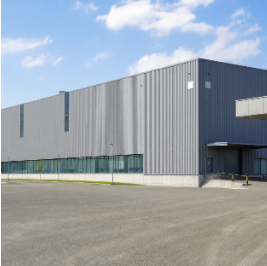
The circular economy in industrial parks represents a major opportunity to improve business competitiveness while reducing the environmental impact of industrial activity. Industrial parks bring together a wide variety of companies, generating diverse flows of materials and waste that, when properly managed, can become valuable resources for other organisations within the same area.
This shift in approach, based on collaboration and innovation, not only helps companies comply with current regulations but also promotes local economic development, strengthens sustainability and enhances the collective image of industrial parks as modern and efficient business environments.
Discover how to drive the circular economy in your industrial park
Why implement the circular economy in industrial parks?
Industrial parks are areas where significant amounts of waste are generated, including packaging, production waste, plastics, metals, wood and construction materials, among others. Under the traditional linear model, each company manages its waste individually, which can result in high costs and limited efficiency.
Implementing the circular economy in industrial parks can help:
- Optimise collective waste management, reducing shared costs.
- Use by-products as raw materials, promoting industrial symbiosis.
- Reduce the amount of waste sent to landfill, minimising environmental impact.
- Access funding and public grants for circular economy projects.
- Improve the reputation of the industrial park, helping to attract new businesses and talent.
- Improve the management of the industrial park and relationships between companies, creating economic, environmental and social benefits for all stakeholders.
Circular economy strategies for industrial parks
1. Shared waste management
Collaboration between companies makes it possible to organise joint waste collections, negotiate better conditions with authorised waste management companies and ensure more efficient traceability.
2. Industrial symbiosis
Industrial symbiosis is at the heart of the circular economy in industrial parks. It involves using one company's waste or by-products as raw materials for another.
For example, waste wood from a carpentry business could be used by another company to manufacture pellets or packaging.
But industrial symbiosis can go beyond material flows. Companies can also reuse used materials and equipment, as well as share cooling and heating resources, vacant spaces and even workforce capacity.
3. Digitalisation and collaborative platforms
Digital tools make it easier for companies to connect, exchange materials and generate impact reports.
recircular provides a platform already used by hundreds of companies to valorise waste and make better use of resources both within and beyond industrial parks.
4. Reuse areas within the industrial park
Industrial parks can create dedicated collection or exchange points where companies can deposit materials suitable for reuse, such as pallets, packaging or metal components, encouraging local circularity.
5. Awareness and training
The involvement of all companies within an industrial park is essential. Park managers can organise awareness workshops, practical guides and internal campaigns to encourage active participation in circular economy initiatives.
Circular economy success stories in industrial parks
There are already examples in Spain of business parks and industrial areas implementing circular economy programmes:
- Villalonquéjar (Burgos): a pioneer in industrial symbiosis, with projects focused on material reuse and collective savings in waste management. The creation of a Circular Economy Office has also helped promote circular initiatives that benefit companies throughout the industrial park. This office already collaborates with recircular, providing its associated companies with access to the digital platform and promoting resource valorisation within the industrial park and with companies in the surrounding area.
- Business parks in Catalonia and the Basque Country: with by-product exchange platforms and shared energy-efficiency programmes.
- Local composting and organic waste valorisation initiatives in agro-industrial areas.
These examples demonstrate that the circular economy in industrial parks is not simply a theoretical concept, but a practical approach with real and replicable results.
Long-term benefits for companies and industrial park managers
- Reduced operating costs through collective management.
- Improved regulatory compliance, avoiding penalties and improving traceability.
- New business opportunities arising from the exchange of by-products.
- A stronger reputation for the industrial park, improving relationships with public authorities and local communities while positioning the park as a national reference in circularity.
- Attraction of innovative companies interested in sustainable and collaborative business environments.
- Greater satisfaction among companies within the industrial park, thanks to innovative and sustainable solutions that benefit the entire business community.
Discover how to drive the circular economy in your industrial park
Conclusion
The circular economy in industrial parks is not only a requirement arising from European and national environmental policies, but also a strategic opportunity to increase competitiveness, reduce costs and improve the social and environmental impact of businesses.
Industrial parks that embrace this model can create synergies between companies, optimise resource management and become leading examples of sustainability.
In this process, recircular supports industrial and business park managers with a digital platform that facilitates material exchange, waste valorisation and the creation of measurable impact reports.
With recircular, industrial parks can lead the transition towards a more efficient, innovative and competitive circular economy.